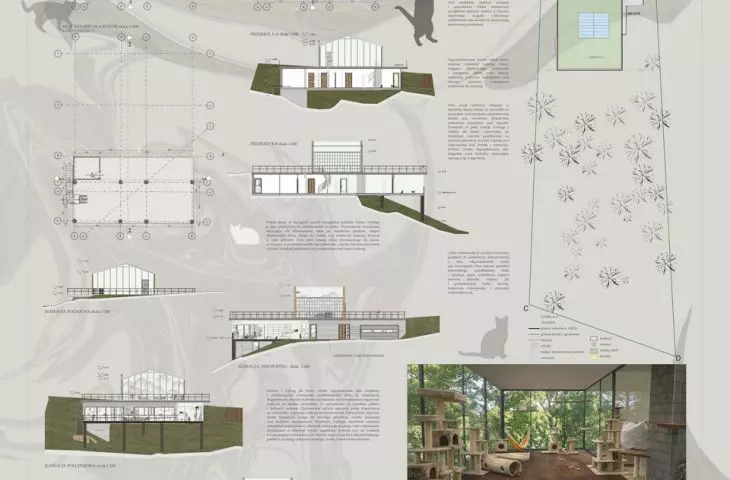
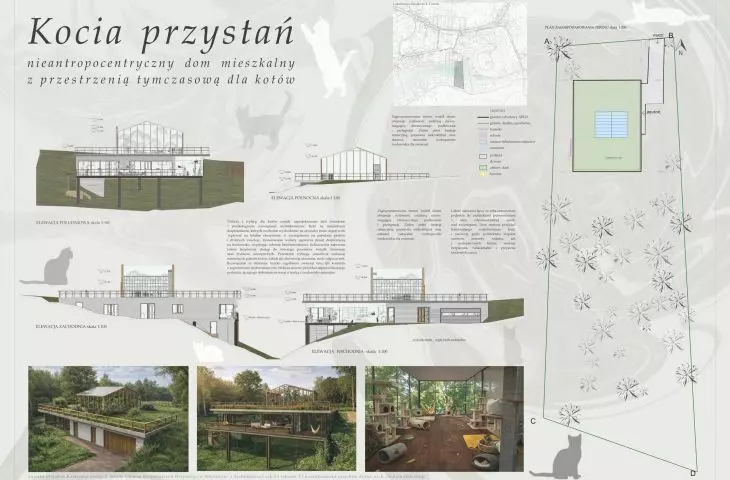
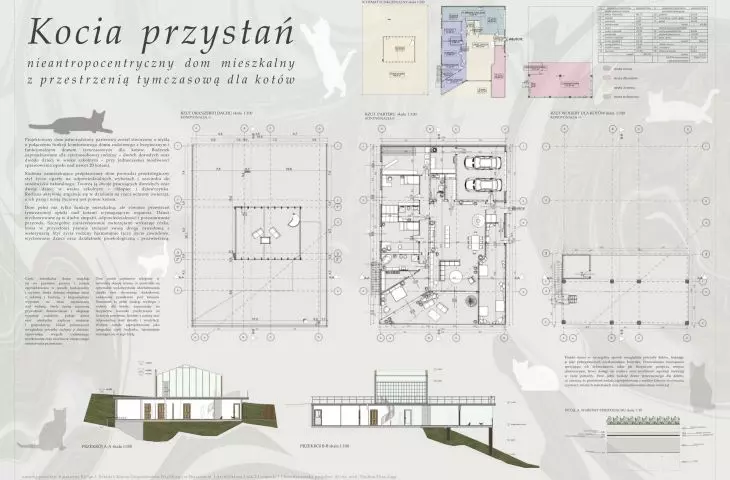
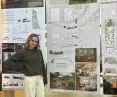
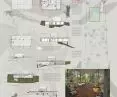
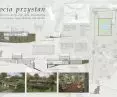
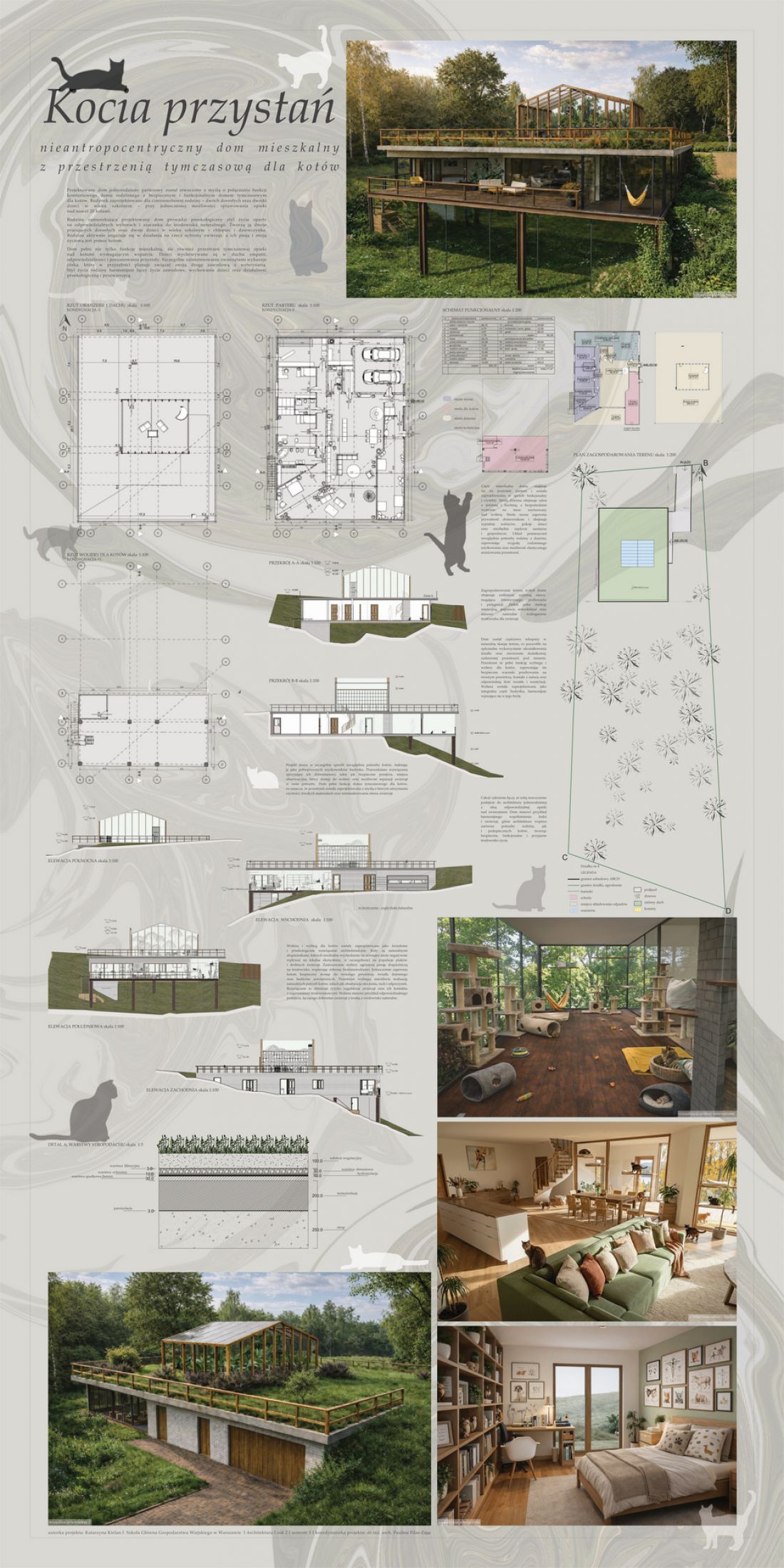
The “Kocia Przystań” project is a single-story single-family home designed as part of the “Architectural Design” course at the Warsaw University of Life Sciences. The design was developed by Katarzyna Kielan, a third-semester student, and the concept was awarded a joint third prize in a student competition organized by Czersk Castle and the Cultural Center in Góra Kalwaria. The course was taught by Dr. Paulina Filas-Zając, and the coordinator was Dr. Anna Piętocha. The aim of the project was to create a home that combines the comfort of a family of four with the function of providing temporary care for cats. From the conceptual stage onward, it was assumed that the animals are not merely an addition to the space but its full-fledged users.
© Katarzyna Kielan
a home as a shared space for people and cats
The building is home to a family consisting of two adults and two school-age children who lead an eco-friendly lifestyle. At the same time, the house can temporarily accommodate up to twenty cats in need of care and safe living conditions.
The functional layout was designed to be clear and flexible. The living area includes a living room with a dining area and kitchen that opens onto a terrace, strengthening the connection between the interior and its surroundings. The sleeping area ensures privacy for the household members and includes the parents’ bedroom, the children’s rooms, and the bathroom and utility areas. The flexibility of the space allows the home to be adapted to the changing needs of both people and animals.
The Cat as a User—A Shift in Design Perspective
The most important element of the concept is the integration of cat care functions into the very structure of the building. The design assumes that cats function within the space on an equal footing with human occupants, which necessitated special architectural solutions.
Safe passageways, observation areas, and the ability to separate animals based on their behavioral state have been incorporated. Finishing materials were selected for durability, ease of cleaning, and to minimize stress for the animals.
© Katarzyna Kielan
Site topography and the aviary as an extension of the house
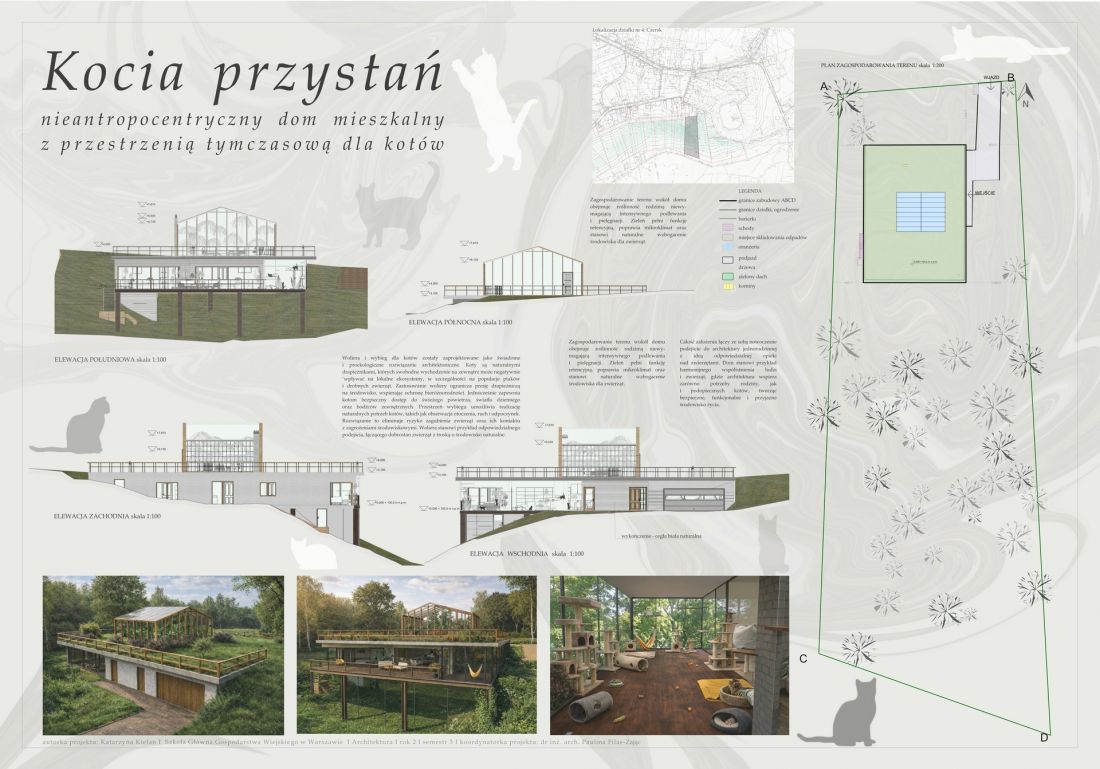
The building was partially dug into the existing slope, allowing for better use of the natural topography. An additional space was designed beneath the terrace, serving a key function in the animal care system.
It houses an aviary and a cat run, which serve as a safe extension of the home into the outdoor environment. The animals have access to daylight and fresh air, while the risk of escape and impact on local wildlife is minimized.
The project is based on a conscious environmental approach. The landscaping utilizes native vegetation that does not require intensive maintenance or irrigation. The greenery serves a water retention and microclimatic function, while also acting as a natural extension of the living space. This is an example of how architecture can work in harmony with the ecosystem rather than dominate it.
“Kocia Przystań” redefines the concept of a single-family home. It is not only a living space for people but also an environment that takes into account the needs of other species. The introduction of an aviary is a deliberate response to the problem of domestic cats’ impact on local ecosystems, particularly bird and small animal populations. The design reduces predation pressure without compromising the cats’ well-being.